
The most disruptive wedding transport mistakes usually begin with an assumption: someone else booked the return trip, a car can make two collections, or the venue entrance is obvious. Prevent them with a passenger list, a confirmed route and a written plan for delays. Here are the gaps to resolve before the day arrives.
Researched 20 October 2026. Statistics identify their reporting period.
Mistake one: counting cars instead of journeys
Booking two cars does not automatically solve transport for two groups. One may be needed for photographs while the other is still collecting passengers. Map every movement separately, including the people travelling, collection point and required arrival. If the same vehicle appears twice, check whether it can genuinely complete the first journey before starting the next.
Pay particular attention to companions. A parent travelling with the bride may need a place in another vehicle after the ceremony. A best man who arrives with the groom may be responsible for belongings later. Allocating a seat for each stage avoids discovering that someone has been left without onward transport.
Mistake two: ignoring heat and rain
The Met Office’s provisional summer 2026 report, published on 1 September and updated in September, recorded a UK seasonal mean temperature of 16.5°C, provisionally the warmest summer in its series. This is an outdoor seasonal average, not a car-cabin temperature or a forecast for your wedding. It is a useful reminder to discuss warm-weather comfort as well as umbrellas.
Ask what ventilation and shelter the actual car provides. Decide where passengers can wait indoors and how the driver will collect them if rain changes the photo plan. Keep water and any necessary personal items accessible. A convertible’s appearance should never be the only consideration when the journey or waiting period could be uncomfortable.

Mistake three: leaving the entrance to chance
A venue postcode can lead to a delivery entrance, a closed gate or the wrong side of a large estate. Confirm the entrance name and send a map pin or annotated photograph where helpful. Ask the venue about turning space, parking restrictions, surface conditions and where passengers can alight without blocking other arrivals.
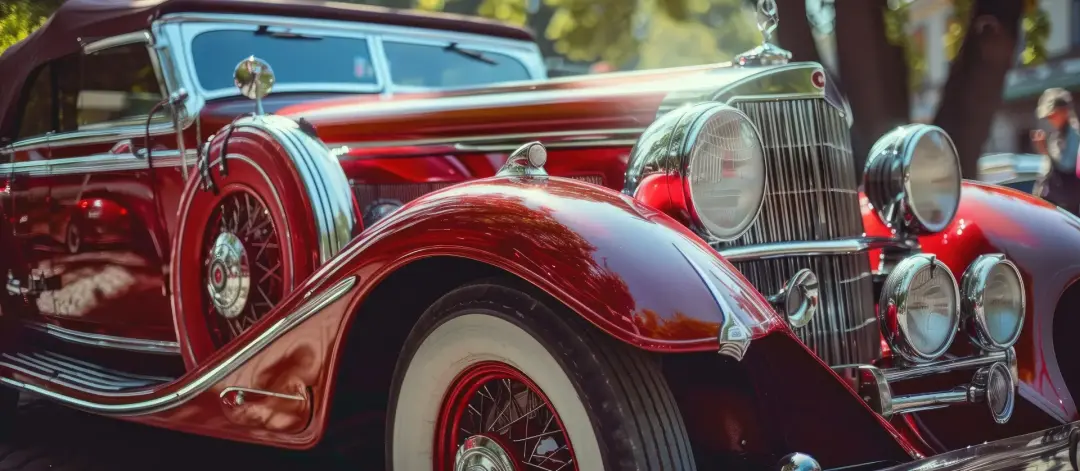
If you are considering a Rolls Royce 25/30 1936, discuss the actual route and arrival arrangements with the supplier. Do not judge access solely from a modern car’s visit. Share any narrow arches, steep ramps or long unmade sections so the operator can decide what is suitable.
Mistake four: treating contingency as guaranteed
A reassuring conversation about backup is not the same as a documented arrangement. Ask what happens if the booked vehicle becomes unavailable, when you would be told and what alternatives could be offered. Clarify who makes decisions and how any difference in vehicle or service would be handled.
Keep the day’s contact details with a nominated coordinator rather than only on the couple’s phones. That person should have the booking reference, venue contact and agreed route. If the plan changes, one informed person can speak to the operator and update the wedding party instead of several people giving conflicting instructions.

Mistake five: overlooking possessions and returns
Bouquets, garment bags, overnight luggage and gifts can consume space that was mentally allocated to passengers. Make a separate belongings list and assign each item to a suitable vehicle. Do not assume a vintage car has a boot large enough for everything or that items can remain with the driver beyond the booking.
Evening transport is another common omission. Check whether your wedding car booking ends at the reception arrival or includes a later departure. If guests need a coach or taxis, make those arrangements separately and communicate them clearly. A beautiful arrival does not replace a workable plan for getting everyone home.
Mistake six: circulating several different plans
An old message in a group chat can survive long after the timetable changes. Keep a single dated transport sheet and identify who is responsible for updating it. Include passenger names, exact addresses, contact numbers and any agreed assistance. Ask the coordinator to replace earlier versions rather than adding another loosely worded message.
Before a wedding in Grantham, send VintageCars.co.uk the final route and ask for confirmation of the agreed arrangements. Recheck meaningful changes such as a new collection address or added stop. A final review is most useful when it tests the whole journey from each passenger’s perspective, rather than merely confirming that a car has been booked.
Run a passenger-by-passenger check
Choose one person from each travelling group and walk through their day on paper. Where do they start, when must they be ready, who has their belongings and how do they leave the reception? Check the people with the most complicated movements first rather than only checking the couple.
Use that exercise to identify ownership. One person should arrange each required journey, and another should know that it is confirmed. If a lift depends on a guest who may change their plans, record an alternative before the wedding. This approach catches ordinary gaps that a vehicle booking alone cannot reveal, without adding unnecessary transport to a simple celebration.
Summary
Prevent transport problems by assigning passengers to individual journeys, checking venue access and confirming weather and backup arrangements. Keep luggage, late departures and communication in the plan too. One agreed set of instructions gives your coordinator and transport supplier a clear basis for handling the day.